

Buying off plan property in Lagos can be one of the smartest financial decisions you make this year, or it can be a costly lesson you did not see coming. The gap between those two outcomes is rarely about luck. It almost always comes down to how much you verified before you signed anything and sent your first payment.
At Attractive Property Plus, we have spent years working directly in the Lagos property market, walking buyers through the exact questions that separate a safe purchase from a regretted one. This guide brings that experience together in one place, written in plain language, so you can approach your next off plan decision with confidence rather than guesswork.
What Does Off Plan Actually Mean?
Off plan simply means you are buying a property before it is fully built, sometimes before construction has even begun. You pay in stages, usually tied to how far the project has progressed, such as at reservation, at foundation, at roofing, and at handover. In return, the developer promises to deliver a completed home by an agreed date.
This model is especially common in growing corridors like Lekki, Ibeju Lekki, Ajah, and Sangotedo, where demand for new housing regularly outpaces what has already been built. Before committing to it, it helps to understand the real difference between off plan vs completed property in Nigeria, since each comes with its own risks and rewards.
Why People Still Choose Off Plan
It is only fair to explain why buyers keep choosing this route. Prices at launch are usually lower, since developers offer early buyers a better rate to help fund construction. Payment plans tend to be more flexible too, often spread across many months, which opens up ownership to people who cannot pay a large sum at once. In fast growing areas, property values can also rise simply because roads, infrastructure, and nearby developments continue to improve while your unit is still being built.
None of this makes off plan automatically safe. It simply explains why the upside is real, which is exactly why it deserves careful protection rather than blind trust.
The 7 Things To Check Before You Pay For Off Plan Property in Lagos

1. The developer’s legal standing.
Ask for their Corporate Affairs Commission (CAC) registration number and confirm it yourself on the CAC public portal. Check that the name on the registration matches the name written on your purchase agreement. A mismatch is a small detail with a big meaning, and it deserves a direct question before you move forward.
2. Whether the developer is REDAN registered.
The Real Estate Developers Association of Nigeria (REDAN) is a recognised industry body. Registration with REDAN does not guarantee perfection, but it shows a developer is willing to be held to a professional standard, which is worth something in a market where informal deals are common.
3. The land’s title status.
Every plot should carry a Certificate of Occupancy, Governor’s Consent, or a properly registered Deed of Assignment, confirmed before construction started, not after. Do not take the developer’s word for this. Have a lawyer search the Lagos State Land Registry directly, since a defect in the underlying land title becomes your problem the moment you pay.
4. Where your deposit actually goes.
This is the point most buyers overlook, and it matters more than almost anything else on this list. Ask whether your payment sits in an escrow or stakeholder account until a milestone is reached, or whether it goes straight into the developer’s general account. Money that is protected until work is verified keeps you safe. Money that disappears into daily operations does not.
5. How payments are structured.
A trustworthy payment plan is tied to real, verifiable construction milestones, not to calendar dates picked at random. This keeps the developer accountable to actual progress on the ground, rather than the simple passing of time.
6. The written contract.
Your agreement should clearly state the delivery date, a full specification of what you are buying (materials, fittings, finishing), and a penalty clause if delivery is delayed. If a developer hesitates to put these details in writing, treat that hesitation as information, not a small formality to overlook.
7. What happens if things go wrong.
Ask plainly what recourse you have if the project is delayed or stalls entirely. A confident, well run developer will answer this without flinching. A vague or defensive answer tells you something important too.
What Good Off Plan Documentation Actually Looks Like
A useful case study of what a properly documented off plan purchase can look like is The Alverton, a terrace duplex development in Sangotedo along the Lekki-Epe Expressway. Phase 1 of the estate is fully sold out and occupied, which is itself a useful signal, since a developer with a completed and occupied first phase has already proven they can deliver, not just promise. Phase 2 is now available as a mix of off plan and newly finished 2 and 3 bedroom terrace units, priced at ₦105,000,000 and ₦120,000,000 respectively as at the current 2026 price guide.
What makes this a fair example to study is that it answers several of the seven checks directly. The property is backed by a verified Governor’s Consent, with some blocks carrying a Certificate of Occupancy. Buyers receive a formal Contract of Sale and a Payment Receipt immediately after their initial deposit, rather than a verbal promise.
The lesson here matters more than the property itself. Whatever development you are considering, whether this one or another, ask to see the same things: a verified title, a signed contract, and a clear record of a completed phase. A developer who can show you those without hesitation has already answered most of the questions on this checklist. Always verify independently before paying anything, regardless of how strong a development’s reputation appears to be.
Red Flags Versus Green Flags for Off Plan Property in Lagos
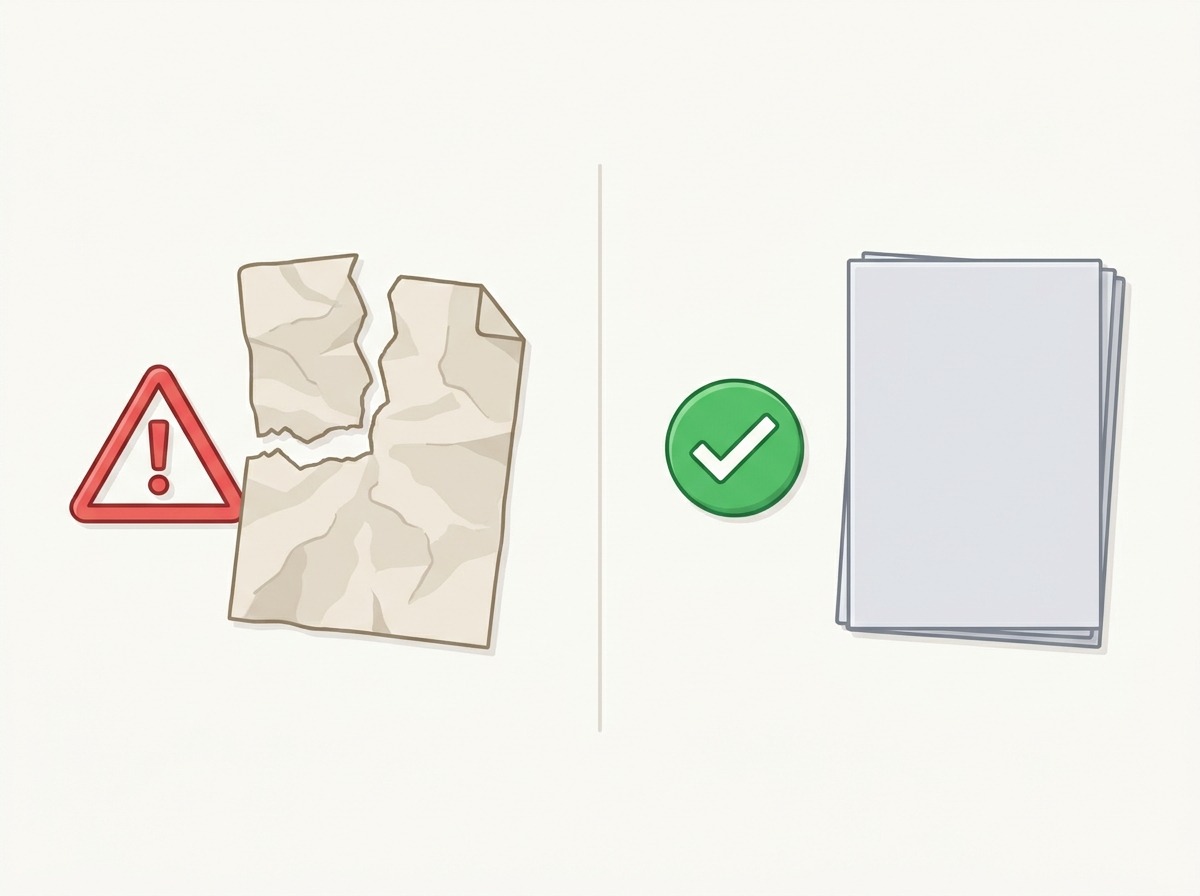
| Red Flags (Pause and Ask More Questions) | Green Flags (Safer to Proceed) |
|---|---|
| Title documents only shown after payment | Title documents shared at first engagement |
| No CAC number, or one that cannot be verified | CAC registration confirmed on the public portal |
| No penalty clause for delayed delivery | Delivery deadline with a clear penalty term |
| Vague description like “premium finishing” | Detailed specification of materials and fittings |
| Deposit paid directly to the developer | Deposit held in escrow until milestones are met |
| Pressure to pay quickly, before you can verify anything | Willingness to let you take your time and check |
Off Plan vs Completed Property: An Honest Comparison
| Factor | Off Plan | Completed Property |
|---|---|---|
| Price | Usually lower at launch | Usually higher, reflects current market value |
| Risk | Higher, tied to developer performance | Lower, the property already exists |
| Payment | Often spread across many months | Frequently paid in full upfront |
| What you see | Plans, renderings, and promises | The actual finished home, ready to inspect |
Neither option is universally better. The right choice depends on your risk tolerance, your timeline, and how much verification work you are willing to put in before you commit.
If You Have Already Paid and Something Feels Wrong
Sometimes the warning signs only appear after money has changed hands. If a project falls behind schedule, or communication from the developer suddenly slows down, do not panic, but do act. Put every concern in writing by email so there is a clear record. Ask for a written construction update with specific dates, not vague reassurance. If delays continue without explanation, bring in an independent lawyer who was not involved in the original sale, since their advice will not be shaped by a desire to keep the deal moving. Acting early, calmly, and on paper gives you far more protection than waiting and hoping the situation resolves on its own.
Is Off Plan Property Safe in Nigeria?
Yes, when it is approached with the seriousness it deserves. Is off plan property safe in Nigeria is a question worth asking honestly, and the honest answer is that safety comes from verification, not from a good sales presentation or a beautifully rendered brochure. Developers who welcome scrutiny, share documents early, and answer direct questions without hesitation are usually the ones worth trusting with your money.
Finally…
Off plan property in Lagos is not something to fear, and it is not something to walk into without care either. A little patience at the beginning, asking the right questions and checking the right documents, can save you years of stress later. If you would like to explore verified, well documented properties currently available across Lagos, take a look at our Attractive Property Plus Catalogue to compare your options before making your next decision.
Attractive Property Plus | Lead Consultant Charity Mbachu
Attractive Property Plus has spent years working directly in the Nigeria property market, helping buyers navigate land purchases, off plan investments, and property verification across corridors like Lekki, Ibeju Lekki, Ajah, and Sangotedo. Every guide on this site is written from real experience working through title checks, developer verification, and the exact questions buyers should be asking before they pay. Our goal is simple: help you buy with confidence, not guesswork.
Real estate is an imperishable asset, ever increasing in value. Click here to learn more about us.